
Campus History · Parkersburg, West Virginia
A place Parkersburg remembers.
The story of St. Joseph Landing begins across town, in a former convent at Fifth and Avery. More than a century later, the buildings on Murdoch Avenue continue to serve Parkersburg in a different way.
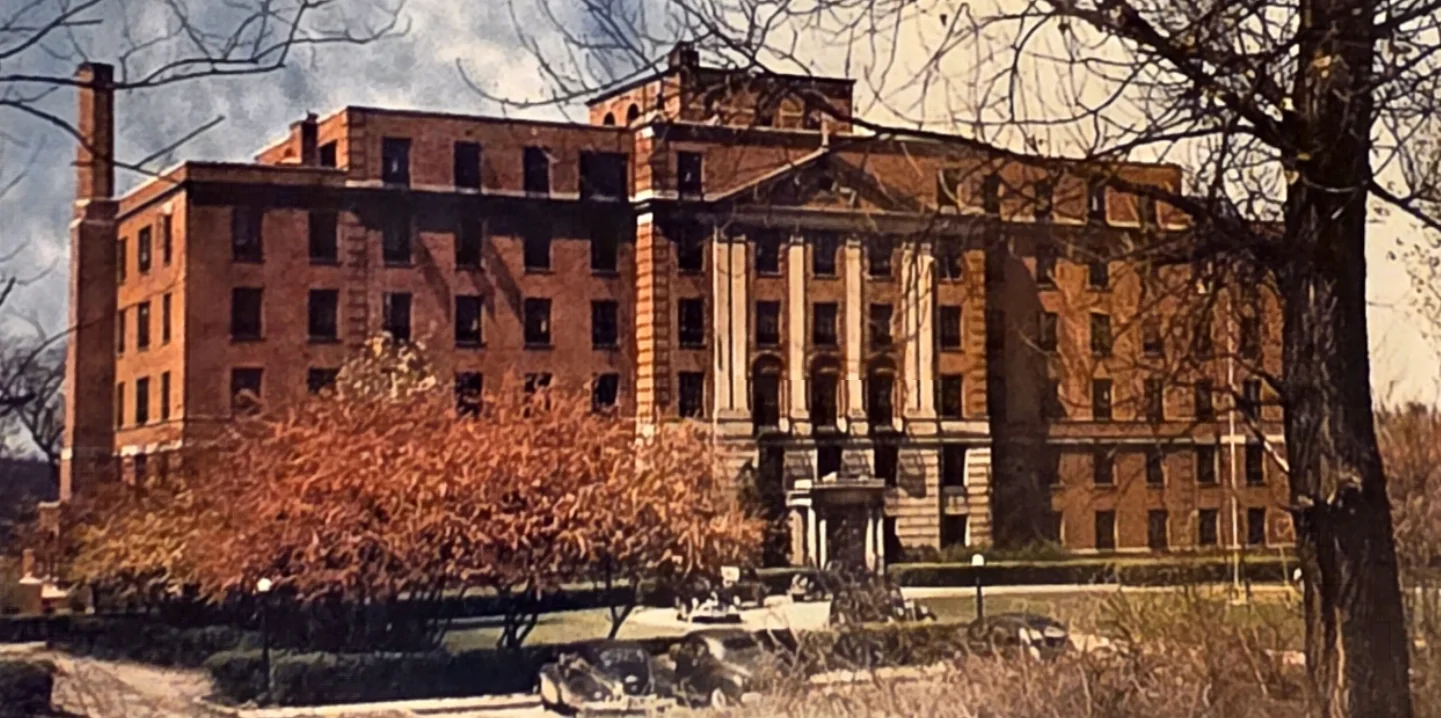
1900–2000 · The hospital years
A century of care in Parkersburg
1900–1903
A hospital opens at Fifth and Avery
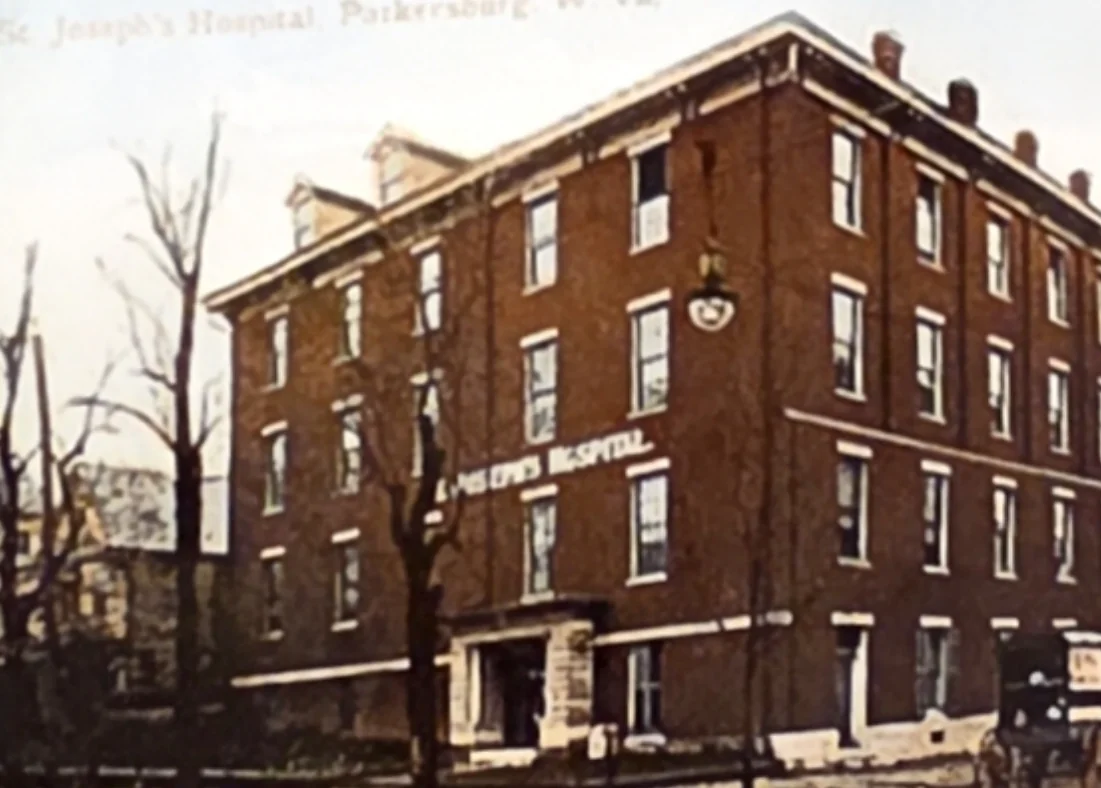
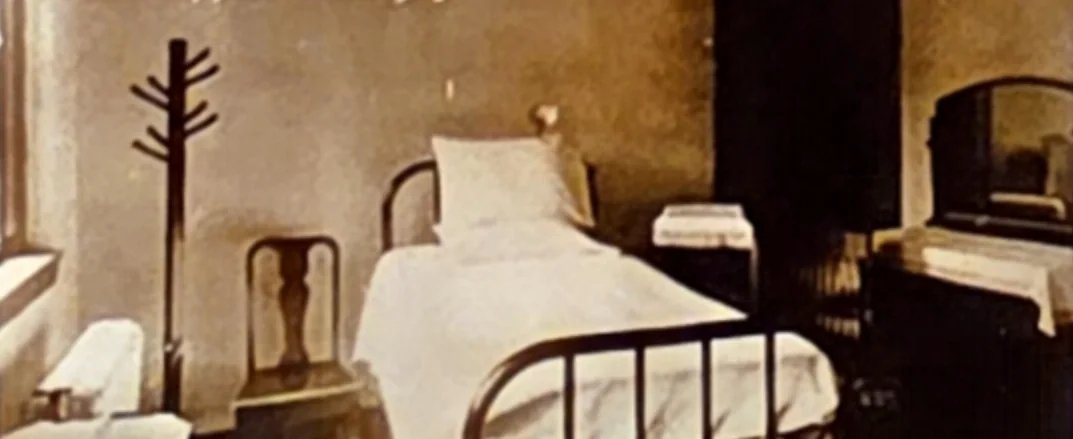
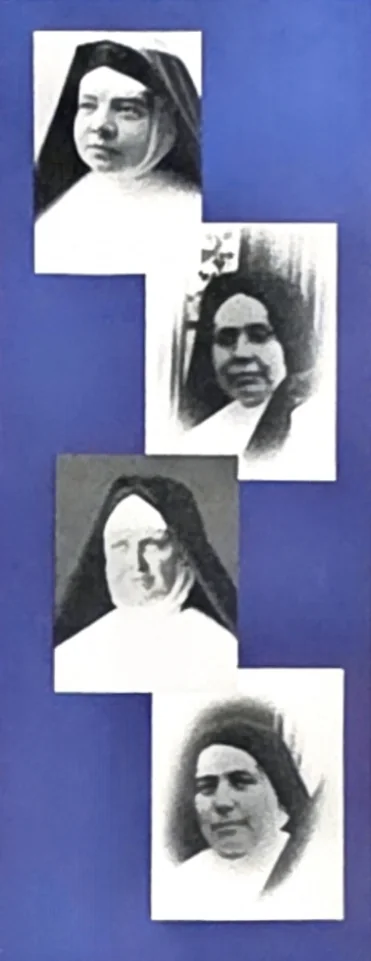
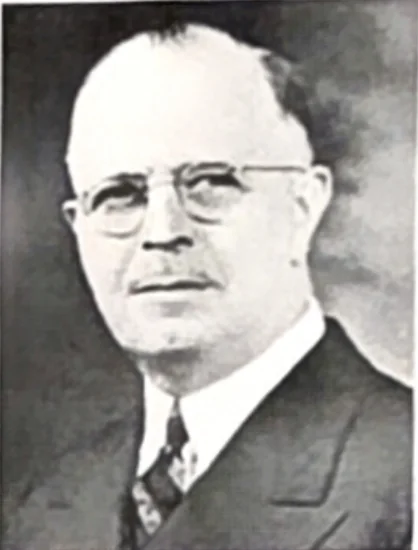
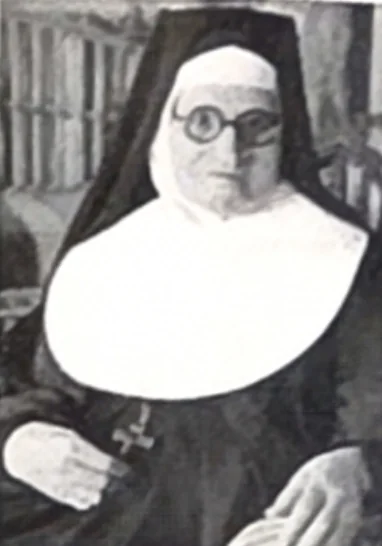
St. Joseph’s Hospital began with 21 beds in the former Visitation Convent. The Sisters of Saint Joseph of Wheeling staffed the hospital, with Sister Immaculate Feeney as its first administrator. The hospital received its charter in 1902. After purchasing the property in 1903, it added an annex that increased capacity to 50 beds.
Centennial booklet, pp. 1–3
1905–1908
A school for nurses
The School of Nursing opened in 1905, and Mary McDonald became its first graduate in 1908. By 1918, 35 nurses had completed the program.
Centennial booklet, pp. 7–8
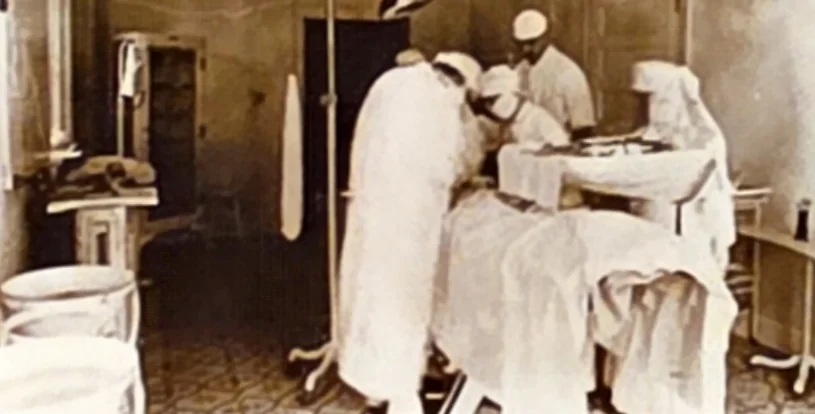
1913
Shelter when the rivers rose
During the 1913 flood, the Sisters made room for displaced families at Fifth and Avery. They did so again at the new hospital during the flood of 1937.
Centennial booklet, p. 3
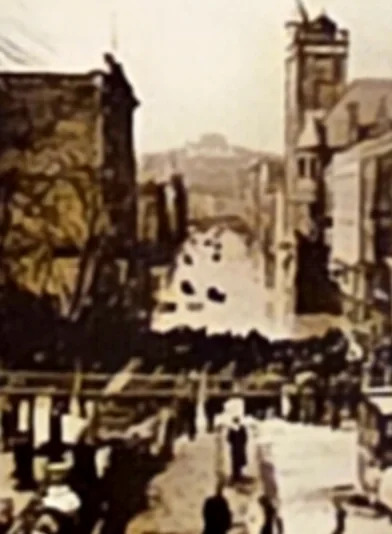
1924
The second annex
The original hospital added a second annex as demand for care grew. Even with that additional space, the hospital would soon need a larger site.
Centennial booklet, p. 3
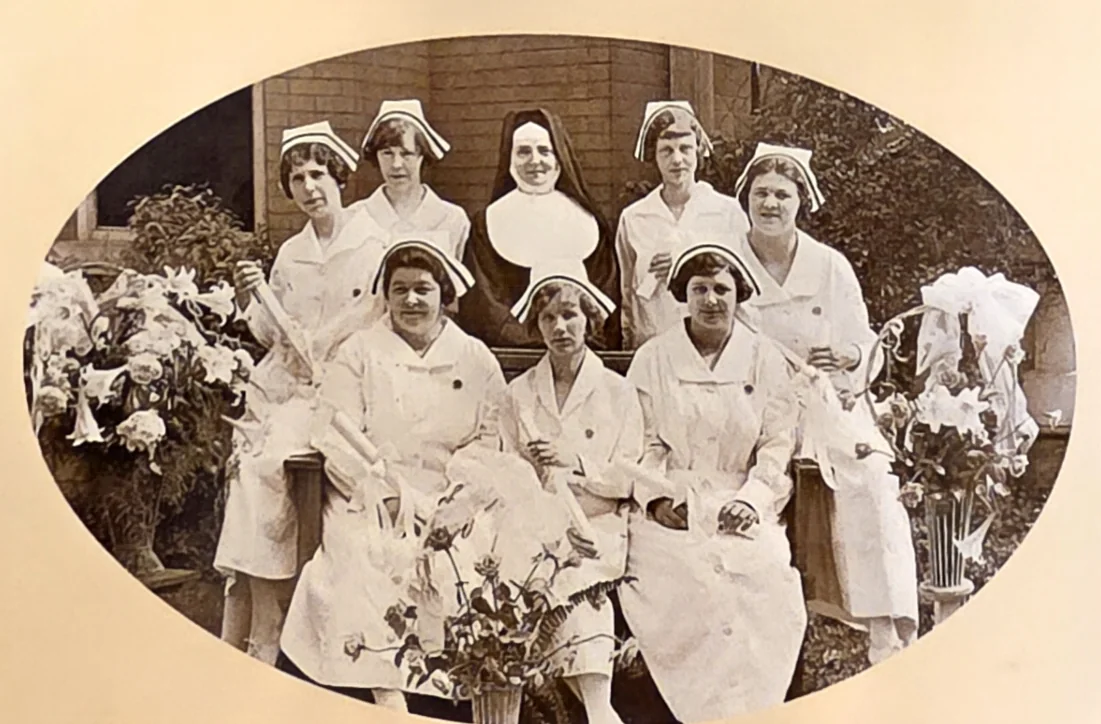
1929
Parkersburg raises money for a new hospital
The Save Our Sick campaign ran November 1–11, just after the stock market crash. Residents and businesses raised the funds to support a new hospital at 19th Street and Murdoch Avenue.
Centennial booklet, p. 4
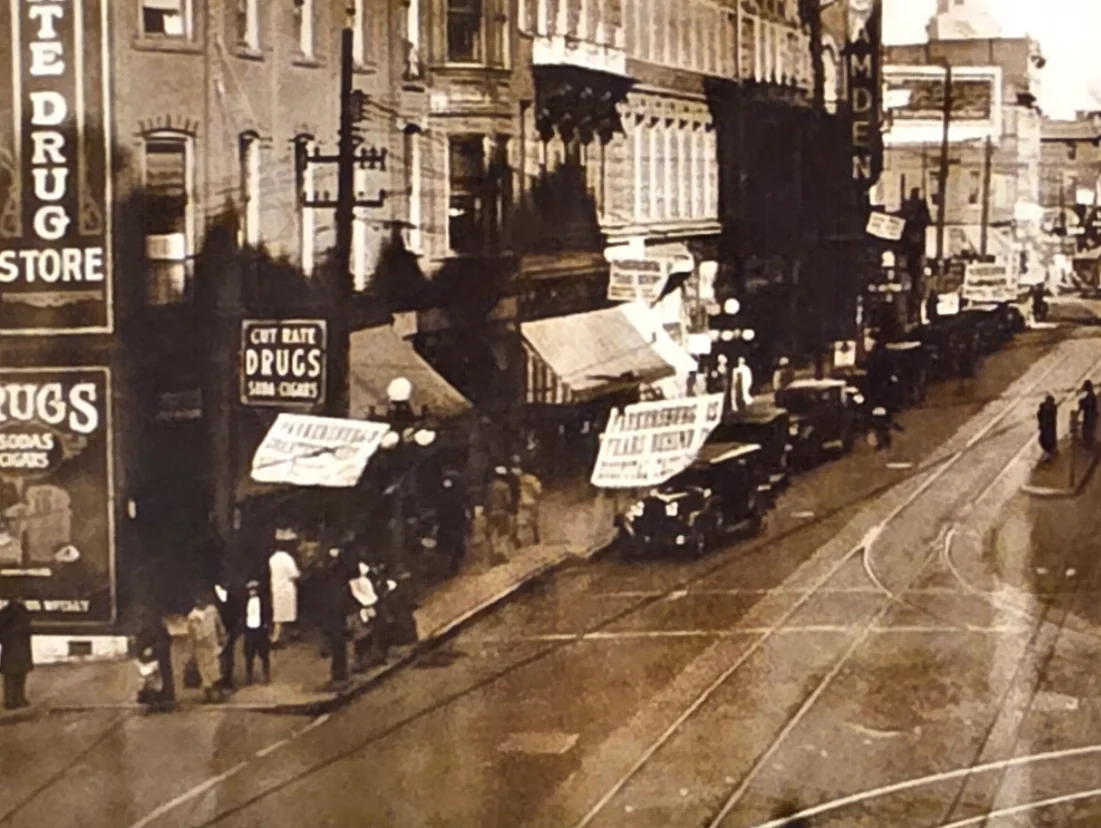
1931
The hospital moves to Murdoch Avenue
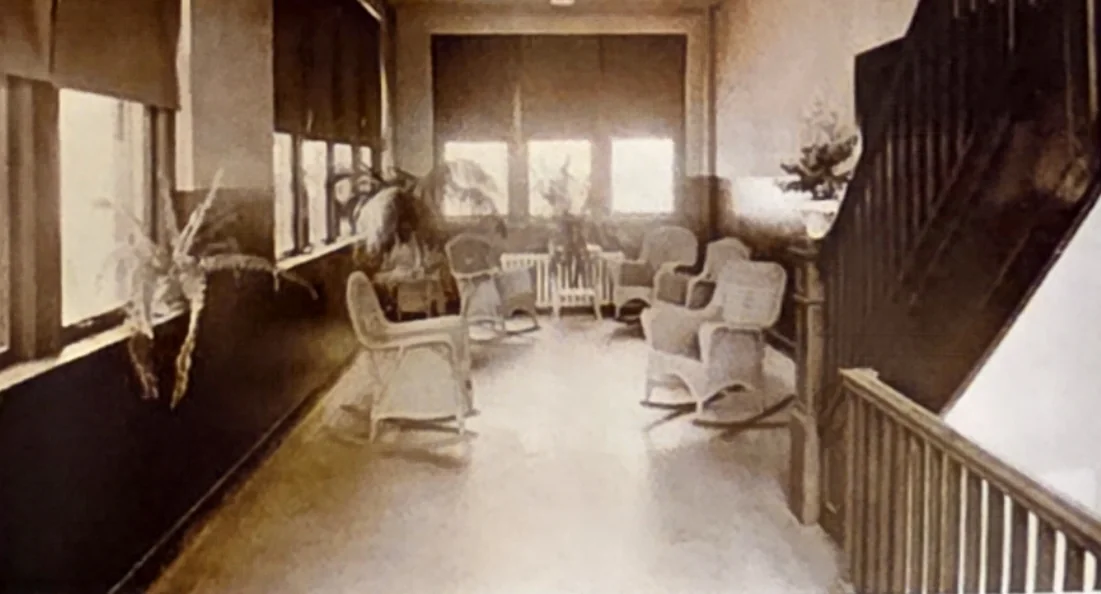
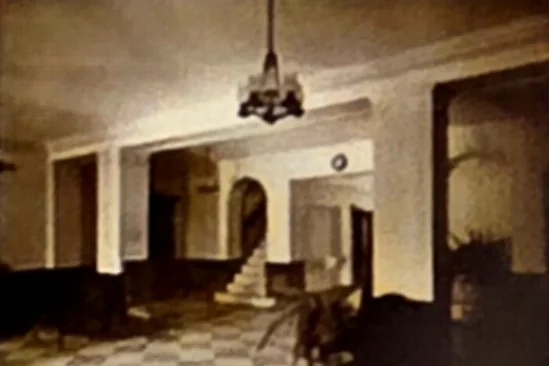
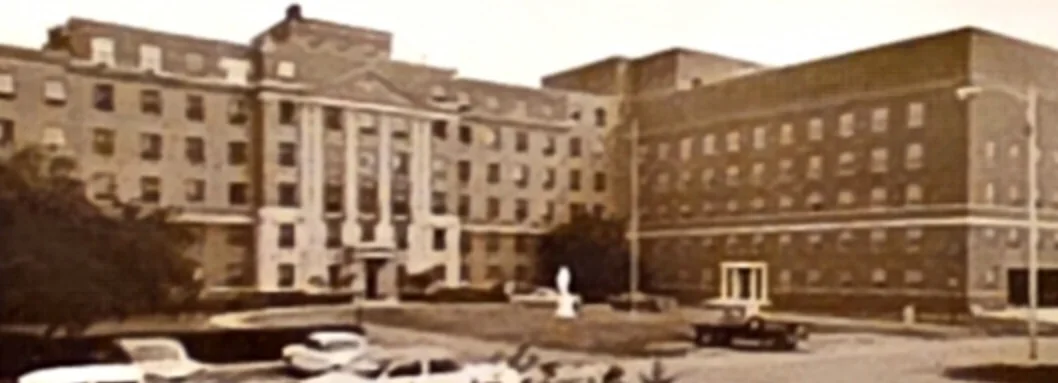
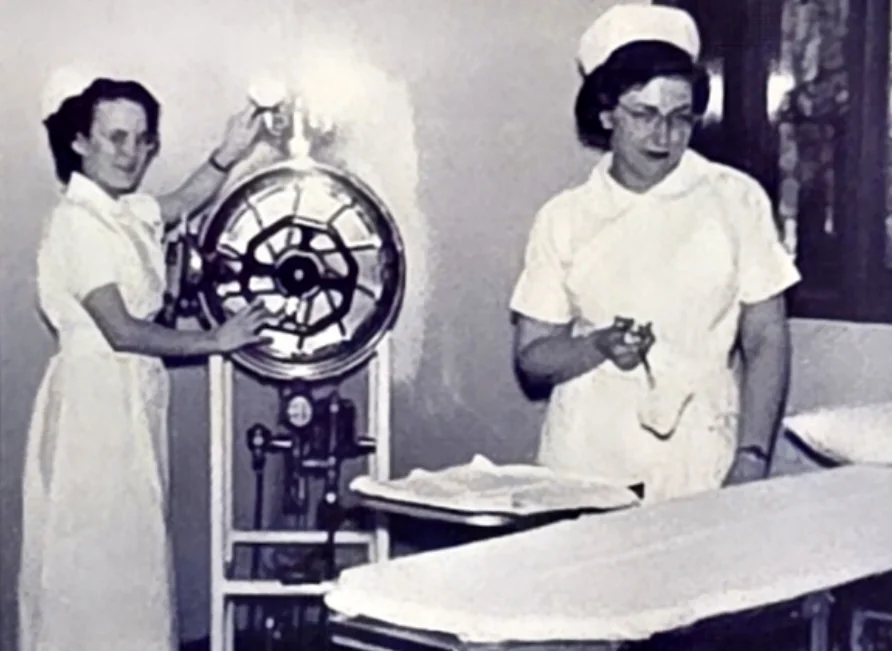
The new hospital formally opened October 13, 1931. It had specialized wards and new equipment for heating and sterilization. This is the site that would become St. Joseph Landing.
Centennial booklet, pp. 5–6
1940s–1954
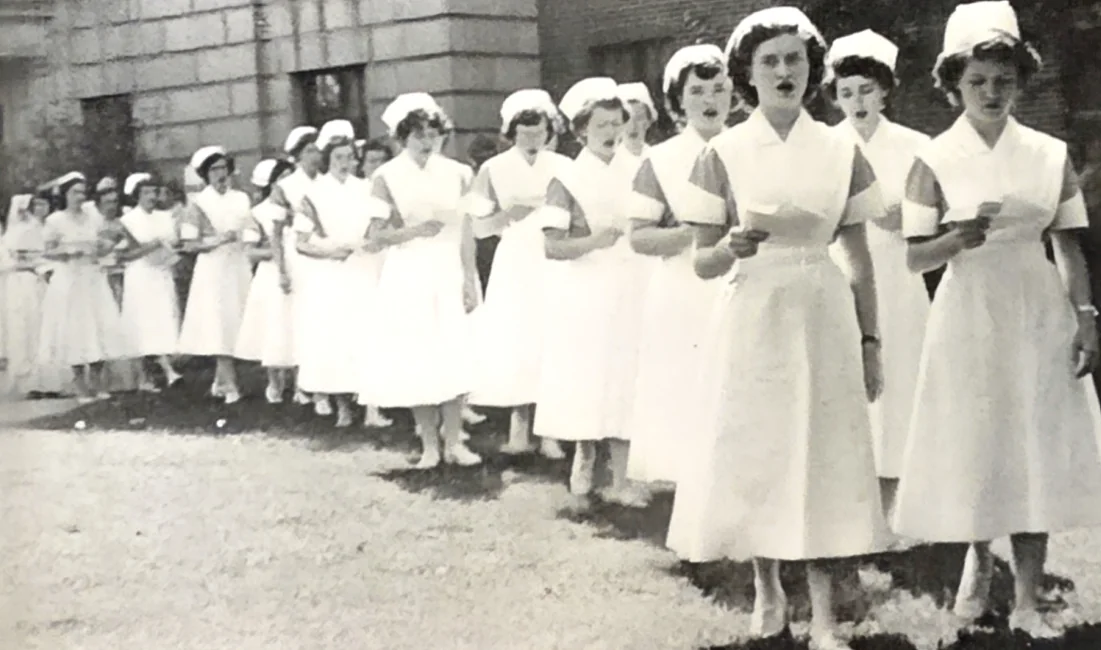
Nurses trained here serve beyond Parkersburg
Thirty-three graduates volunteered for military service during World War II. One of them, Helen Corra, died while serving. In 1954 a new nursing school and residence opened.
Centennial booklet, pp. 7–8
1953–1965
Neighbors volunteer at the hospital
The Marian Guild organized in 1953. Volunteers staffed the information desk by 1960, and the teenage Marianettes began helping in 1962. A formal volunteer services program followed in 1965.
Centennial booklet, pp. 9–10
1962–1968
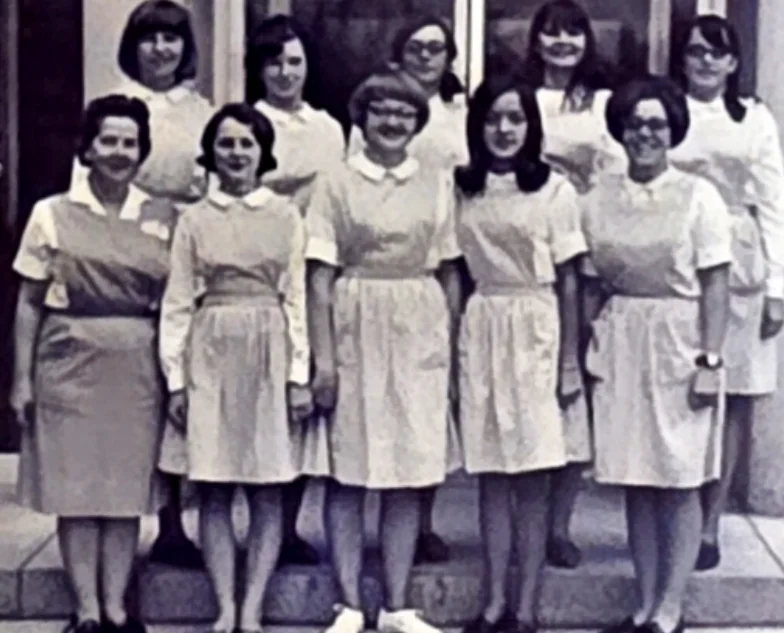
A new annex and new ways to care
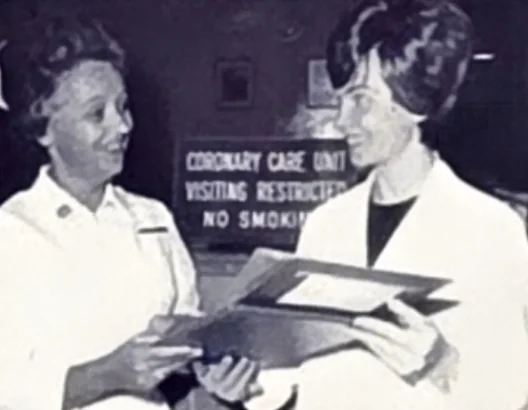
The C. Z. Ruth Memorial Annex opened in 1962. The hospital added respiratory therapy in 1966, round-the-clock emergency physician coverage in 1967, and a Coronary Care Unit in February 1968.
Centennial booklet, pp. 9–11
1969
The last nursing class graduates
The final class graduated in 1969, bringing the school’s total to 803 nurses. A scholarship created with the nursing alumnae continues that legacy.
Centennial booklet, pp. 7–8
1970–1973
A larger campus begins to take shape
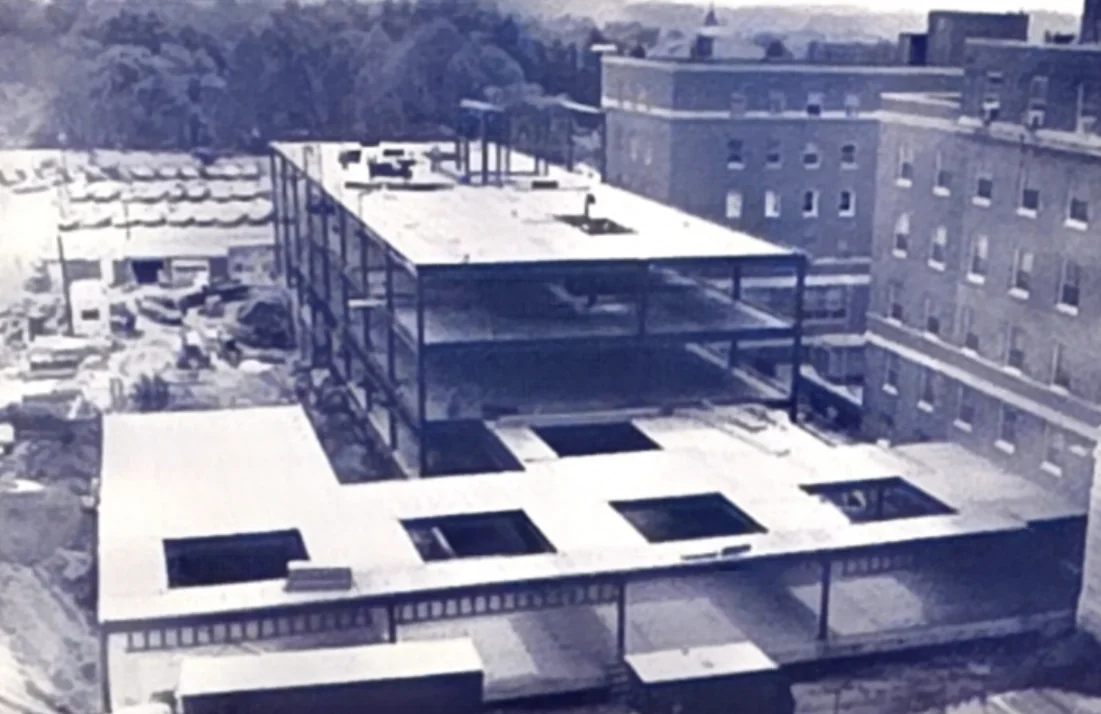
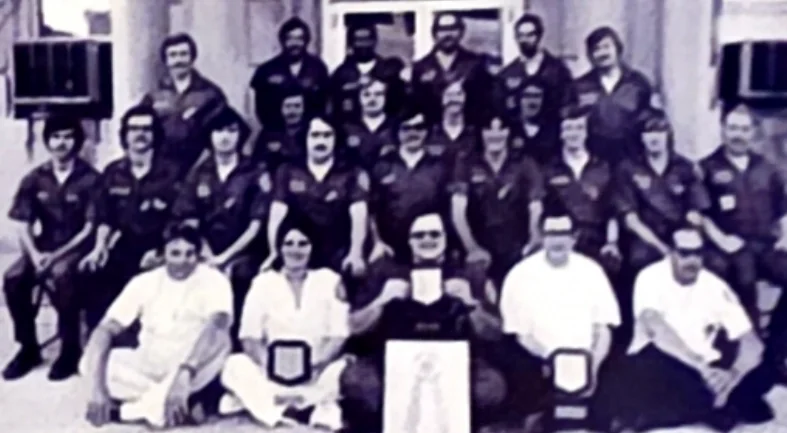
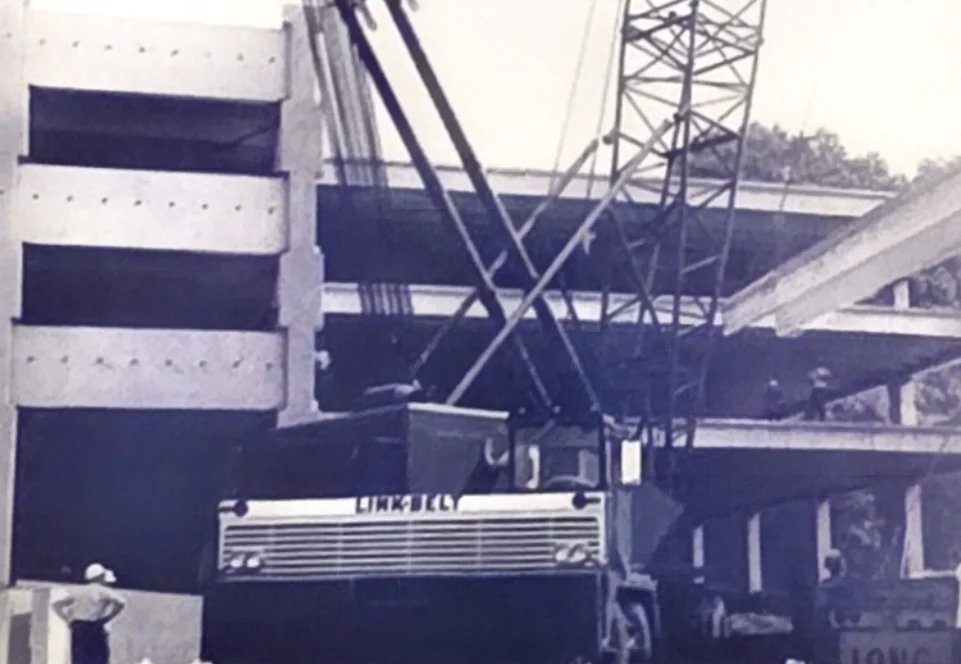
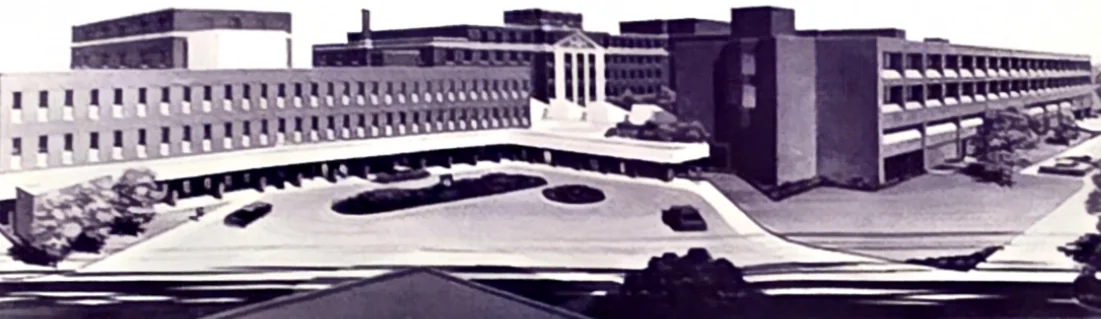
Fay P. Greene became the first lay board member in 1970. Behavioral health services began in 1972. In 1973, the campus added a physicians’ office building, parking garage, and central utilities. The hospital also began an ambulance service and a Foster Grandparent program.
Centennial booklet, pp. 12–14
1976–1980
More care under one roof
The hospital introduced dialysis in 1976, the same year Arthur A. Maher became its first lay chief executive. The 1977 B-area dedication marked the end of a five-year expansion. Chaplaincy and radiology changes followed in 1978, and behavioral health moved into the former nursing school in 1980.
Centennial booklet, pp. 15–16
1986–1989
Imaging, heart care, and outreach
The physicians’ office building gained three floors and a data center in 1986. A shared mobile MRI and a free community heart fair followed in 1987. In 1988 the hospital opened a cardiac catheterization lab and began a home health initiative. A Mission Awareness department followed in 1989.
Centennial booklet, pp. 17–20
1991–1994
Care expands beyond inpatient rooms
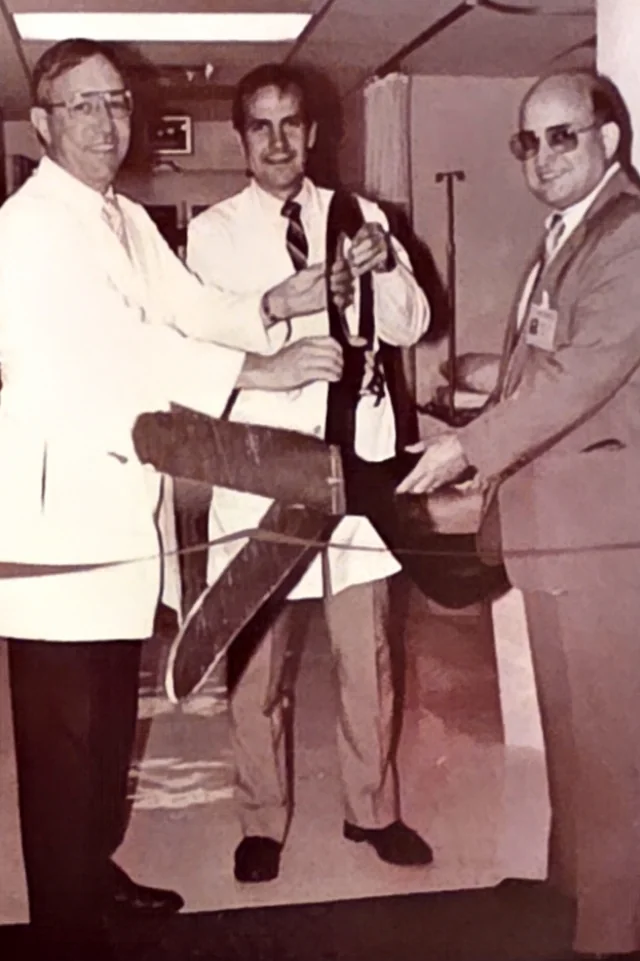
Emergency Express opened in 1991, followed by skilled nursing and rehabilitation services in 1992. By 1994, CT, ultrasound and vascular imaging had been brought together, and pulmonary rehabilitation was added.
Centennial booklet, pp. 10, 16, 19–21
1995–1997
Heart care and a change in governance
The hospital added a Heart Center and Chest Pain Center in 1995. The Sisters entered a joint venture with Columbia/HCA in 1996, and the hospital consolidated outpatient rehabilitation services in 1997.
Centennial booklet, pp. 21–22
1998–1999
Specialty care and community programs
A Wound Care Center and new outreach programs, including Care-a-Van, were part of the hospital’s work by the end of the decade. The hospital also began its Heart Ball in 1998.
Centennial booklet, pp. 22–23
2000
A new wing in the centennial year
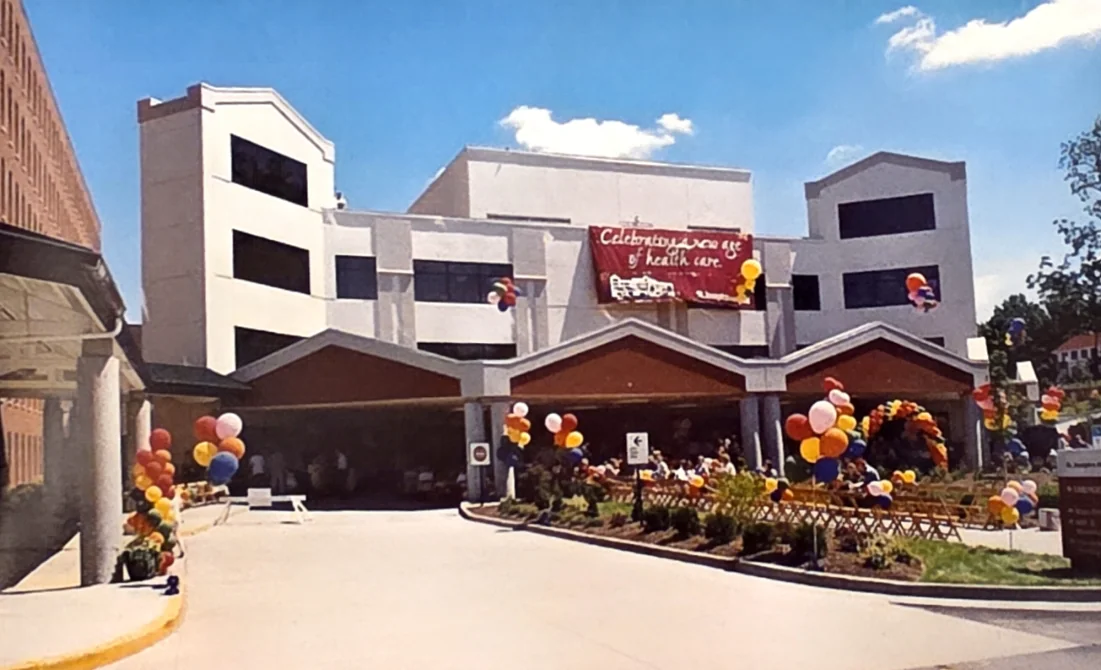
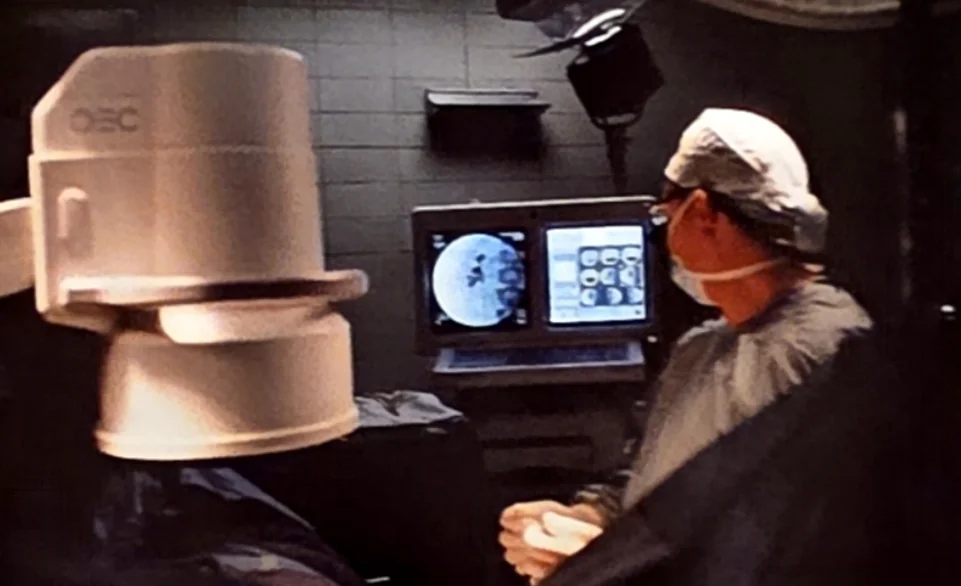
On July 21, 2000, the hospital dedicated a three-story addition for emergency care, surgery and heart services. It also introduced new surgical imaging and a geriatric psychiatry program that year.
Centennial booklet, p. 23
2011–2021 · A change of purpose
From hospital to community campus
St. Joseph’s continued operating in its own name in the 2000s, carrying forward the legacy of its Catholic founders. Camden-Clark Memorial Hospital was a separate nearby hospital. On March 1, 2011, Camden-Clark purchased St. Joseph’s. The two hospitals combined into a single organization with two campuses under the West Virginia United Health System. In 2012, Camden-Clark announced plans to consolidate the St. Joseph’s services at its Memorial campus.
As Camden-Clark moved services to its Memorial campus, the buildings on Murdoch Avenue reached the end of their years as a hospital. The property was marketed and sold in 2016. The new owners and a local team faced a question: how could a place built for hospital care keep serving Parkersburg? They began adapting the buildings for new community uses. In 2021, six of the former hospital buildings were dedicated as St. Joseph Landing. Renovation and reinvestment continue as spaces find new uses.
The same place, a different chapter
The former hospital and today’s Landing share the same address on Murdoch Avenue. The historic streetside view at the top of this page provides a reference for a matched photograph today.
Photo to add
A current view of the campus from the same angle as the archival photograph above.
Campus Today
Still a place for the community
St. Joseph Landing brings local organizations and businesses together at 1824 Murdoch Avenue. Its purpose has changed, but people still come here for services, support, and opportunities to connect.
Workforce
Space for local organizations to connect people with training and employment resources.
Public health & human services
A place to reach organizations serving families and individuals across the region.
Recovery support
Space for organizations helping people pursue recovery.
Veterans
A campus that also houses services for veterans.
Sources
Hospital history: St. Joseph’s Hospital centennial booklet (1900–2000), printed pp. 1–23; e-WV: The West Virginia Encyclopedia and the Parkersburg Area Community Foundation’s nursing alumnae history. The December 2000 Congressional Record documents the addition, and contemporary reporting documents the 2016 sale. The West Virginia Health Care Authority’s 2013 annual report documents the 2011 acquisition and consolidation plan. The ownership transition also draws on the campus’s own account.